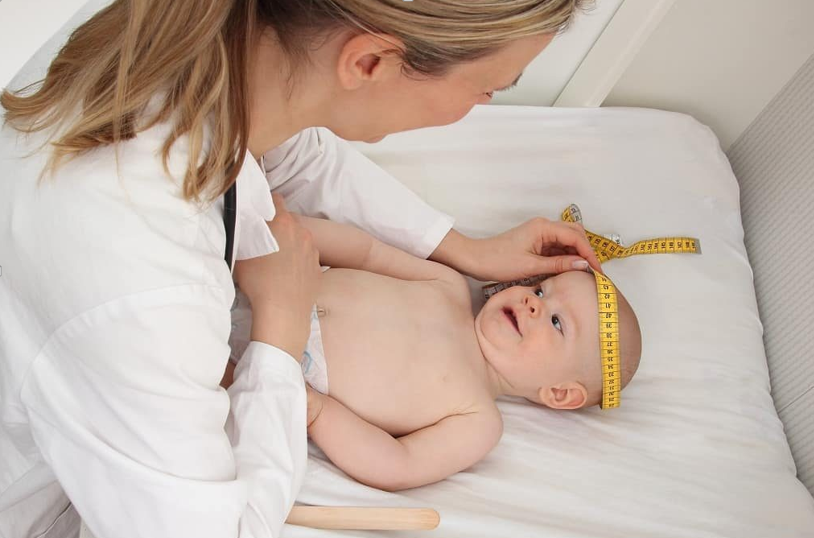
Stunting remains one of the most pressing public health issues in Indonesia and many developing countries. Based on direct monitoring in the field https://pafikutaikab.org/ it affects not only a child’s physical height but also their cognitive development and long-term health. Experts emphasize that one of the most effective — yet often overlooked ways to prevent stunting is through routine growth monitoring, which includes regularly checking a child’s weight and height.
Understanding Stunting
According to the World Health Organization (WHO), stunting is a condition where a child’s height-for-age is significantly below the standard for their age group. It results from chronic malnutrition, recurrent infections, and inadequate health care during the first 1,000 days of life — from conception to age two.
“Stunting is not just about being short,” explains Dr. Rika Pramesti, a pediatrician and nutrition specialist at Jakarta Child Health Center. “It’s a sign that a child’s growth and development have been compromised, which can affect brain function, school performance, and productivity later in life.”
Why Growth Monitoring Matters
Routine measurement of a child’s height and weight is more than a simple check-up — it’s a critical early warning system. By tracking growth consistently, parents and healthcare workers can detect potential problems before they become serious.
“When we measure a child’s growth every month or every few months, we can see trends,” says Dr. Rika. “If a child’s weight or height stops increasing, or grows more slowly than expected, it’s a signal that something is wrong — whether it’s nutritional deficiency, illness, or feeding practices that need adjustment.”
Early detection allows for early intervention, which is key to preventing long-term consequences. “Once stunting occurs, it’s difficult to reverse,” she adds. “That’s why prevention through consistent monitoring is far more effective than treatment after the fact.”
How to Monitor Growth Properly
Doctors recommend that parents take their children to community health posts (posyandu) or pediatric clinics for regular growth assessments. These checks typically include weighing the child, measuring their height, and plotting the results on a growth chart provided by WHO or the Ministry of Health.
“The growth chart helps visualize how a child compares to healthy peers of the same age and sex,” Dr. Rika explains. “If their height or weight falls below certain thresholds, healthcare workers can immediately counsel parents on nutrition and feeding strategies.”
See also: How to Improve Self-Defense Skills with Krav Maga Training
Nutrition and Parental Awareness
Proper nutrition plays a crucial role in supporting healthy growth. Children need a balanced diet rich in protein, vitamins, minerals, and healthy fats. “Parents should focus on giving diverse foods — including eggs, fish, meat, fruits, and vegetables — not just rice or porridge,” says Dr. Rika.
Equally important is parental awareness. Many parents, she notes, assume that small stature is genetic when it could be a sign of malnutrition. “We must change this mindset. Regular monitoring helps parents realize that shortness is not normal if caused by poor nutrition.”
Community Involvement and Prevention
Public health experts emphasize that community-based growth monitoring programs are essential. Local posyandu centers and health workers play a key role in recording and analyzing growth data while educating parents.
“Growth monitoring is the backbone of early stunting prevention,” Dr. Rika concludes. “It empowers families to act quickly and ensures that no child slips through the cracks.”
A Simple Routine with Lifelong Impact
Measuring height and weight may seem like a small task, but it can determine a child’s future health and potential. By making growth monitoring a regular habit, parents are taking one of the most effective steps toward ensuring their children grow not only taller but healthier, smarter, and stronger — ready to reach their full potential.
Source: pafikutaikab.org

