Fire safety and energy efficiency are two of the most critical concerns in modern construction. In Spain, especially in industrial and urban areas such as Valencia, stricter building regulations and growing awareness of sustainability have made high-performance insulation a priority. Fireproof insulation systems not only protect structures from fire risks but also contribute to acoustic comfort and thermal efficiency.
Choosing advanced insulation solutions from specialists like Acusfoc helps builders, architects, and property owners meet Spanish construction standards while improving safety, durability, and overall building performance.
Understanding Fireproof Insulation in Construction
Fireproof insulation is designed to resist high temperatures, slow the spread of flames, and reduce smoke generation during a fire. These systems are commonly used in residential buildings, commercial properties, and industrial facilities where safety regulations are particularly strict.
In Spain, fire-resistant materials are essential for compliance with building codes and industrial safety requirements. Properly installed fireproof insulation can:
- Delay structural damage during a fire
- Protect occupants and evacuation routes
- Reduce repair and reconstruction costs
- Improve overall building resilience
Fireproof insulation is often combined with acoustic and thermal solutions to provide multiple benefits within a single system.
Why Fire Safety Is a Priority in the Spanish Market
Spain’s construction sector places strong emphasis on fire prevention due to dense urban areas, industrial activity, and evolving safety legislation. Fireproof insulation is widely used in public buildings, factories, warehouses, and residential developments.
Working with experienced providers such as Acusfoc ensures insulation systems meet national and regional safety standards while delivering reliable long-term performance in both new construction and renovation projects.
Fireproof Insulation and Building Regulations
Compliance with building regulations is a major consideration for developers and contractors. Fire-resistant insulation helps projects meet required safety classifications while supporting approvals and inspections.
Fireproof materials are commonly required for:
- Structural elements
- Walls and partitions
- Ceilings and floors
- Industrial installations
Meeting these standards not only protects occupants but also reduces liability for property owners and developers.
Acoustic Benefits of Fireproof Insulation
Beyond fire resistance, many insulation systems also improve acoustic performance. Soundproofing is increasingly important in residential and commercial buildings, particularly in busy urban environments like Valencia.
Acoustic insulation helps:
- Reduce noise transmission between rooms
- Improve comfort in offices and residential units
- Enhance productivity and well-being
- Increase property value
Fireproof acoustic insulation is especially valuable in mixed-use buildings and industrial facilities where noise control is essential.
Thermal Efficiency and Energy Savings
Thermal insulation plays a key role in reducing energy consumption and improving indoor comfort. Fireproof insulation materials often provide excellent thermal resistance, helping buildings maintain stable indoor temperatures.
Key thermal benefits include:
- Reduced heating and cooling costs
- Improved energy efficiency ratings
- Greater comfort throughout the year
- Lower environmental impact
By combining fire protection with thermal performance, insulation systems deliver long-term economic and environmental advantages.
See also: How to Choose a Reliable Locksmith and Keep Your Home Secure
Industrial Applications of Fireproof Insulation
Industrial environments require robust insulation solutions due to higher fire risks and demanding operating conditions. Fireproof insulation is widely used in factories, warehouses, and production facilities across Spain.
Common industrial applications include:
- Machinery and equipment protection
- Structural fire barriers
- Acoustic control in production areas
- Thermal insulation for energy efficiency
Specialists like Acusfoc provide solutions tailored to industrial needs, ensuring safety without compromising functionality.
Fireproof Insulation in Residential Buildings
Residential construction also benefits significantly from fire-resistant insulation. Multi-family housing, apartment buildings, and residential complexes require systems that protect occupants and limit fire spread.
In homes, fireproof insulation contributes to:
- Safer living environments
- Reduced noise between apartments
- Improved thermal comfort
- Increased property appeal
These benefits make fire-resistant insulation a smart investment for developers and homeowners alike.
Materials Used in Fireproof Insulation
Fireproof insulation systems are made from materials designed to withstand high temperatures while maintaining structural integrity.
Common materials include:
- Mineral wool
- Fire-resistant panels
- Specialized composite systems
These materials are selected based on application, performance requirements, and compliance with safety standards in Spain.
Installation and Professional Expertise
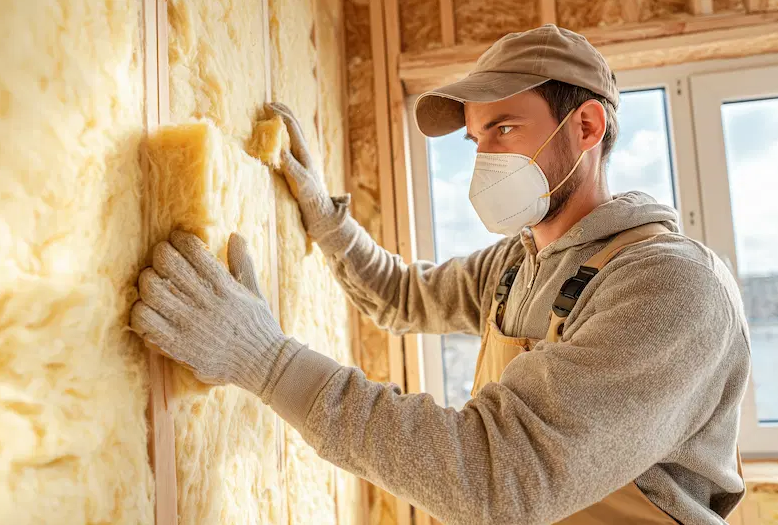
Correct installation is essential for insulation systems to perform effectively. Poor installation can reduce fire resistance, acoustic performance, and thermal efficiency.
Professional installation ensures:
- Proper material placement
- Compliance with safety regulations
- Long-term durability
- Optimal system performance
Experienced companies like Acusfoc provide technical expertise and guidance to ensure insulation systems deliver maximum benefit.
Maintenance and Long-Term Performance
Fireproof insulation systems are designed for durability, but periodic inspection helps maintain performance over time. Quality materials require minimal maintenance when installed correctly.
Long-term benefits include:
- Consistent fire resistance
- Stable acoustic performance
- Sustained thermal efficiency
This reliability makes fireproof insulation suitable for both new projects and building upgrades.
Sustainability and Modern Construction
Sustainability is becoming increasingly important in the Spanish construction industry. Fireproof insulation contributes to sustainable building practices by improving energy efficiency and reducing resource consumption.
Environmental advantages include:
- Lower energy demand
- Reduced emissions
- Long service life
Sustainable insulation solutions align with modern construction goals and regulatory trends.
Choosing the Right Insulation Partner
Selecting the right insulation provider is essential for achieving safety, efficiency, and compliance. A reliable partner offers technical knowledge, high-quality materials, and solutions adapted to local standards.
Acusfoc stands out for its focus on fireproof, acoustic, and thermal insulation tailored to the Spanish market, supporting both industrial and construction projects with proven expertise.
The Role of Fireproof Insulation in Building Value
Buildings equipped with advanced insulation systems often have higher market value. Safety, comfort, and efficiency are key factors for buyers and investors.
Fireproof insulation adds value by:
- Enhancing building safety
- Improving comfort levels
- Reducing long-term operating costs
These advantages make insulation a strategic investment rather than just a regulatory requirement.
Final Thoughts on Fireproof Insulation Solutions
Fireproof insulation is a vital component of safe, efficient, and modern construction. By combining fire resistance with acoustic and thermal benefits, these systems address multiple challenges faced by today’s buildings.
For projects in Spain that demand high safety standards and reliable performance, choosing experienced specialists ensures long-lasting results. With the right materials, professional installation, and compliance with regulations, fireproof insulation supports safer buildings, improved comfort, and sustainable construction for the future.